

Fugu, the Japanese pufferfish, is famous not only for its delicate slices and winter hot pots but also for the risk of a potentially fatal toxin. This guide explains what tourists are offered in Tokyo, what licensed preparation means, and why no restaurant experience should be described as completely risk-free.
Important travel health warning: Some pufferfish contain tetrodotoxin, a neurotoxin that can cause paralysis and fatal respiratory failure. Cooking, freezing and other normal food-preparation methods do not destroy it. There is no specific antidote. The US CDC advises travelers to avoid potentially toxic fish, including fugu, even when prepared by trained chefs in licensed restaurants. This article is informational, not an encouragement to take a health risk.
What is fugu, and why is it so famous?
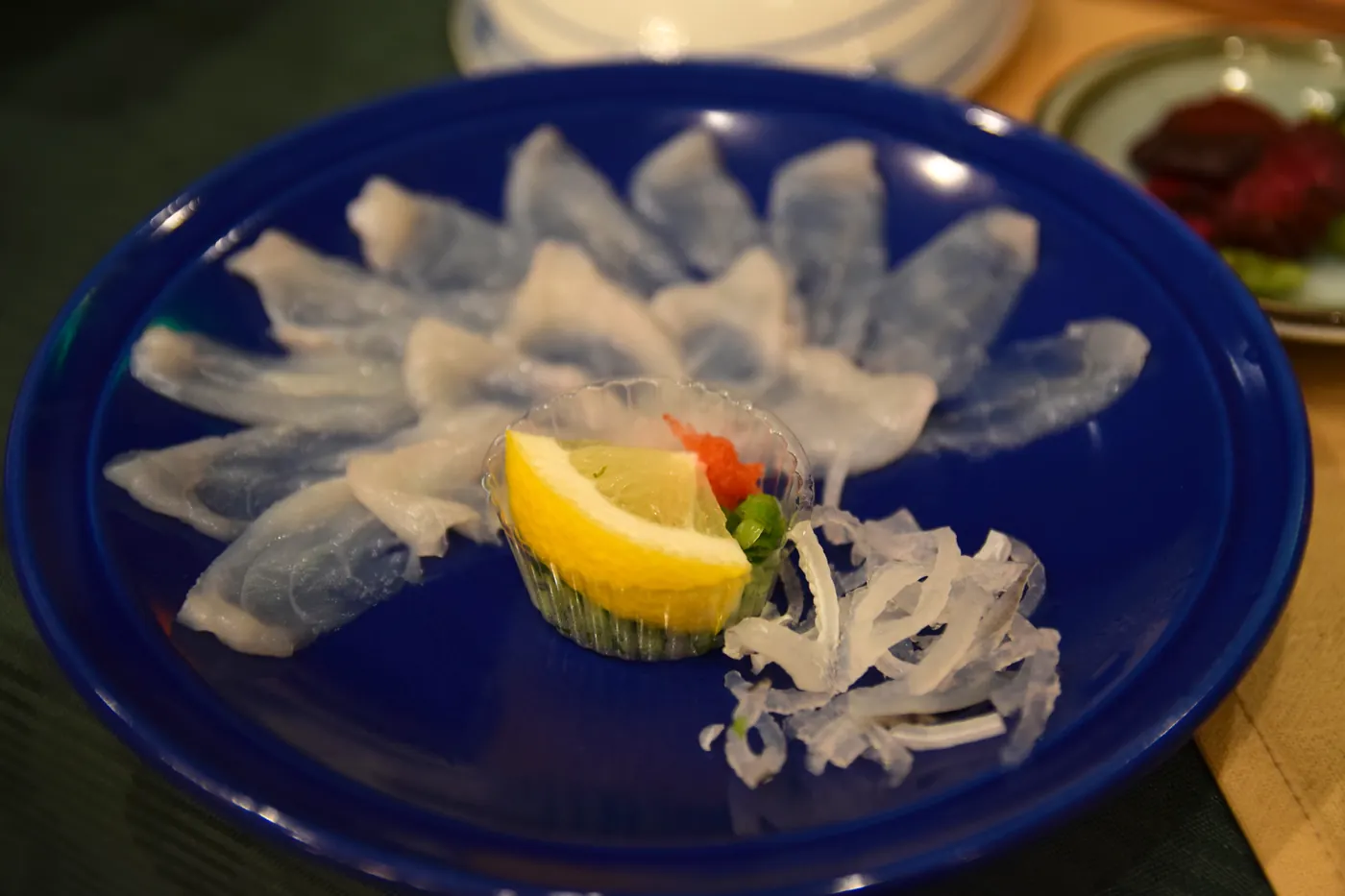
Fugu is the Japanese name for pufferfish used in traditional cuisine. Depending on the species and preparation, diners may encounter thin sashimi slices, simmered hot-pot dishes, fried pieces and seasonal tasting courses. Torafugu, or tiger pufferfish, is a prized type featured at specialist restaurants.
Fugu’s reputation comes from the presence of tetrodotoxin in potentially toxic tissues of certain species. The hazard cannot be evaluated by taste, appearance or a tourist’s experience with other seafood. Fish species and organ rules matter; visitors should never catch, clean or prepare pufferfish themselves.
How dangerous is fugu?
The US Centers for Disease Control and Prevention describes numbness around the mouth, nausea and dizziness as possible early signs of poisoning, which can progress to muscle weakness, paralysis and breathing failure. Symptoms may start quickly or several hours after exposure. Poisoning is a medical emergency that requires immediate emergency services—do not wait to see if symptoms resolve. In Japan, the ambulance emergency number is 119.
Japan has specialized regulation and training for people who handle fugu commercially. These safeguards reduce dangers associated with toxic parts, but should not be misrepresented as a universal guarantee. The CDC travel guidance still recommends avoidance because the consequences can be severe.
See the CDC Yellow Book section on pufferfish poisoning for the medical details and prevention advice.
What kinds of fugu dishes do Tokyo restaurants serve?
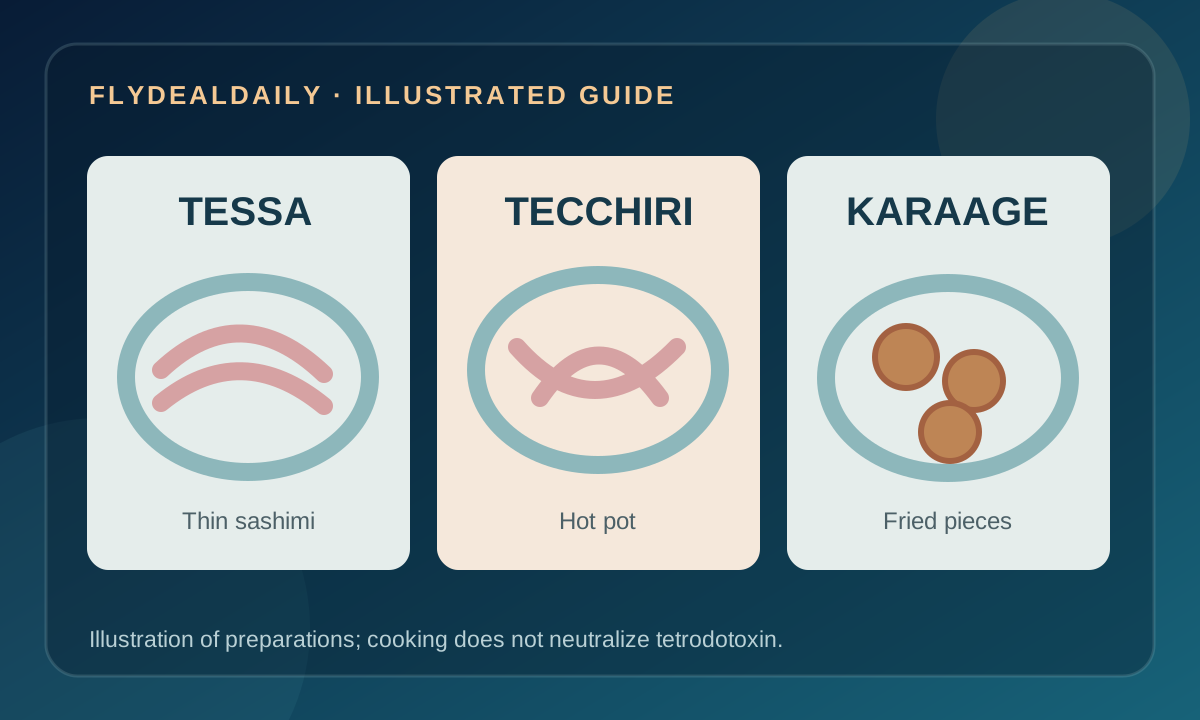
| Japanese menu term | What it means | Planning note |
|---|---|---|
| Tessa | Thinly sliced fugu sashimi | Often part of a specialist set menu |
| Tecchiri | Fugu hot pot | Common winter-style group meal |
| Karaage | Deep-fried fugu | Preparation does not neutralize tetrodotoxin |
| Course meal | Several preparations in one dinner | Check group size, extra charges and cancellation rules |
Where do people book fugu meals in Tokyo?
The restaurants below have official pages advertising fugu dishes, but their presence in this guide is not a medical assurance of safety or a recommendation to disregard CDC advice. Confirm current licensing, booking details, allergy considerations, prices and cancellation terms directly.
1. Torafugu-tei Shinjuku
Area: Kabukicho, Shinjuku; official address 2-11-7 Kabukicho, Metro Building B1F. It is a specialist torafugu restaurant with sashimi, hot pot and other courses listed on its English site. At the time of our October 2026 review, its published menu included a tiger-pufferfish course at ¥8,250 tax included and a fuller course at ¥14,300 tax included. Many sets require at least two diners; do not assume a solo booking.
Official Torafugu-tei Shinjuku course menu → · Official branch and reservation directory →
2. Guenpin Ueno
Area: Ueno / Okachimachi, 2-1-6 Ueno, Taito-ku. The official site offers online reservations and describes tiger-pufferfish sashimi and hot-pot meals. The venue advertises fugu courses starting from ¥5,300 including tax on its official website at the time of checking; this is a starting advertised price, not a fixed all-inclusive final bill.
Guenpin Ueno official site and reservation → · Official menu →
3. Other Torafugu-tei Tokyo branches
The operator also lists official branches in Shibuya, Ginza, Akasaka, Ueno, Asakusa and other districts. Choose a location near your existing itinerary instead of paying for a long cross-city detour. Opening days and menus vary by branch.
Torafugu-tei official Tokyo restaurant directory →
How much does a fugu dinner cost?
Restaurant-set prices vary significantly by venue, menu, season and party size. Two documented October 2026 examples illustrate the range: Guenpin Ueno advertised courses from ¥5,300 including tax, while Torafugu-tei Shinjuku listed a ¥8,250 tax-included standard course. Premium menus, drinks and reservation surcharges can take the total much higher.
Always rely on the restaurant’s live menu at checkout. The numbers on this page are dated observations, not guarantees of pricing, available tables or inventory.
What a careful traveler should check
Fugu: health warning before reservations
The US CDC advises travelers to avoid potentially toxic pufferfish, even if a specialist restaurant prepares it. These points explain precautions, not a guarantee of safety.
- Health risk first: the CDC advises avoiding potentially toxic pufferfish. No meal is worth ignoring this advice.
- Commercial preparation and licensing: do not buy unprocessed fish to prepare yourself or accept home-prepared fugu.
- Exact menu and party size: some specialist courses are available only for two or more diners.
- Allergies and dietary restrictions: ask the venue directly and never assume a seafood preparation can be made safe for a severe allergy.
- Reservation charges: check deposits, cancellations, included beverages and tax before booking.
- Symptoms after eating: tingling or numbness, weakness, vomiting or trouble breathing warrant urgent medical assessment. Call 119 in Japan.
Looking for other distinctive Tokyo food experiences? Compare Tokyo food neighborhoods and the many lower-risk travel experiences linked from our home page. The restaurant links in this article are direct official links and are not currently verified affiliate tracking links.
Frequently asked questions
Is fugu really poisonous?
Some pufferfish contain tetrodotoxin, which can cause fatal paralysis and has no specific antidote. Preparation by trained specialists does not justify describing a fugu meal as completely risk-free.
What is the best-known fugu dish?
Thinly sliced fugu sashimi (tessa) and fugu hot pot (tecchiri) are common examples at Japanese specialist restaurants.
Should tourists eat fugu in Tokyo?
The CDC advises travelers to avoid potentially toxic fish, even when it is prepared by trained chefs in licensed restaurants. Travelers can still learn about the cuisine without consuming it.
Are Tokyo fugu restaurant prices fixed?
No. Menu prices, service charges, group minimums and availability vary. Always check the current official restaurant menu before making a reservation.
Official sources and further reading
- CDC Yellow Book — food poisoning from marine toxins
- CDC/NIOSH — tetrodotoxin emergency response card
- Torafugu-tei Shinjuku — official published menu
- Guenpin Ueno — official menu and booking information
Information reviewed October 19, 2026. Restaurant prices, opening times, policies and safety rules may change. FlyDealDaily has no verified affiliate arrangement with these venues.